
Keynote Speaker
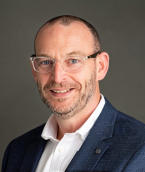
Prof. Christopher Nugent
Ulster University, UK
Chris was awarded a first class honours in BEng Electronic Systems and a PhD in Biomedical Engineering where he researched the optimisation of Neural Network ensembles for medical classification purposes. He was appointed as full Professor of Biomedical Engineering in 2008. From 2015-2017 he was the Director of the Computer Science Research Institute at Ulster University and in 2017 he was appointed Head of the School of Computing. He is currently serving his third term in this role. His research interests are focussed at the intersection of IoT and AI specifically to support human activity recognition within smart environments. This has involved research in the topics of activity recognition and behaviour modelling, technology adoption modelling and optimisation of AI based classification models. To date he has successfully supervised 47 PhD students to completion and in 2024 he was recognised on Stanford's top 2% most highly cited scientists and is currently ranked No. 1 internationally on Google Scholar for citations in the area of Ambient Assisted Living. He has been instrumental in initiating, preparing, supporting and managing a number of externally funded Research Projects. The total funding allocated to Ulster as a result of these projects is in excess of £52M. In 2016 he was awarded a Senior Distinguished Research Fellowship by Ulster University. He is currently a visiting Professor in Pervasive and Mobile Computing at Lulea Technical University (Sweden), a visiting Professor in Computing at Shandong Jianzhu University (China) and a Visiting Professor in Computing at Dalian University of Technology (China). Since 2008 he has served as an Associate Editor for the Editorial Board of the IEEE Engineering Medicine and Biology Conference, Healthcare Information Systems Theme and he is currently serving as a member of Ireland’s Commission on Care for Older People.
Speech Title: "Sustainable AI for Edge based Human Activity Recognition"
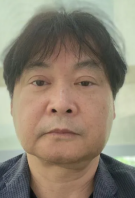
Prof. Tuan D. Pham
Queen Mary University of London, UK
Tuan Pham earned his PhD degree in 1995 from the University of New South Wales in Sydney, Australia. Presently, he holds the position as Professor of Artificial Intelligence (AI) within the areas of Imaging, Diagnostics, and Trauma. His research is dedicated to the advancement of AI methodologies, particularly in their applications to dentistry, medicine, life sciences, and various domains that entail enhancing human knowledge and skills. Dr. Pham’s academic record includes the publications of three research monographs and an extensive portfolio of several hundreds of papers published in peer-reviewed journals and conference proceedings. His scholarly contributions span a wide spectrum of disciplines, encompassing medical and dental AI, bioinformatics, computer science, physics, and engineering.
Speech Title: "Spatial AI: From Tissue States to Precision Medicine"
Abstract: Spatial transcriptomics, spatial multiomics and digital pathology are transforming the study of biological systems by resolving cellular organisation within native tissue environments. However, the scale, heterogeneity and multimodal nature of these data require analytical frameworks that extend beyond statistical and machine-learning approaches. This keynote presents advances in artificial intelligence (AI) for spatial biology, focusing on methods that combine spatial transcriptomics, histopathology imaging, graph learning, tensor-based modelling and multimodal machine learning to characterise tissue organisation and disease processes. Central to this work is the development of transferable spatial AI frameworks for discovering tissue states, quantifying spatial heterogeneity and comparing disease processes across biological domains. Attention is given to recurrence-geometric AI, which learns latent geometry and recurrence organisation without assuming purely Euclidean representations. Applications to wound healing, oral inflammatory disease, oral and head-and-neck cancers, cardiovascular tissue and colorectal cancer illustrate how these approaches identify conserved and disease-specific cellular programmes, quantify spatial organisation and generate hypotheses linking local tissue pathology with disease processes. The talk also considers requirements for translating spatial AI into clinically useful tools, including multimodal integration, biological interpretability, external validation and robustness across populations, institutions and platforms. These advances provide a foundation for disease characterisation and future precision-medicine applications.
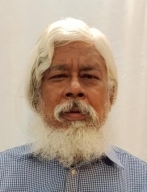
Prof. Chanchal Mitra
University of Hyderabad
Chanchal Mitra did his Bachelors and Masters from the University of Calcutta and Ph.D. from the Tata Institute of Fundamental Research (University of Bombay). He did his post doctoral work at the State University of New York at Albany (The University at Albany), USA and also at the University of Lund, Sweden. His research interests are Bioinformatics, Computational Biology and Biosensors (enzyme based). He joined University of Hyderabad in 1985 as a lecturer and retired in 2015 as Professor of Biochemistry. He has supervised several Ph.D. students, project students and research associates. He has over 100 publications in peer reviewed journals. According to google scholar, he has citations 1272, h-index of 20 and i10-index of 31. He lives in Hyderabad, India (2023).
Speech Title: "Diabetes (DMT2) And the Gut"
Abstract: Diabetes (DMT2) And The Gut Chanchal K Mitra University of Hyderabad (Retd), India email: c_mitra@yahoo.com Abstract: Diabetes is a metabolic disorder in which glucose accumulates in the blood rather than entering the cell. Glucose entry into the cell is regulated by several factors, and insulin is an important hormone responsible for glucose transport. In diabetes, insulin is either not produced at all, produced in insufficient amounts, or the cells become resistant to insulin. In Type-I diabetes, the insulin-producing cells in the pancreas are destroyed, and the patient must be administered insulin externally for survival. In Type-II diabetes, insulin production is not impaired, but cells do not respond to it (insulin resistance). High blood glucose levels can lead to a range of problems, from heart disease to eye and kidney problems. Modern lifestyle is believed to be the major cause of diabetes, and changing to a healthy lifestyle can alleviate some of the major problems. A healthy lifestyle basically includes (i) physical activity and (ii) a wholesome diet. The food we consume passes through the gastrointestinal tract (GI tract) and is processed with the gut microbiome. The gut microbiome refers to the diverse microbial community (including bacteria, fungi, and viruses, as well as their metabolic products) that functions like a dynamic system. The gut system supplies small molecules (vitamins, short-chain fatty acids, and other lipids), controls energy balance, and partly maintains the intestinal interface. Although they appear to work independently, gut metabolism and body metabolism are rather tightly coupled. Gut metabolism is robust but can change slowly over time due to changing food habit. We focus on how gut processes affect the diabetic state of the human body.
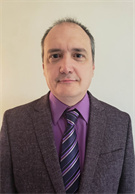
Dr. Roberto Sotero
Diaz-University of Calgary, Canada
Roberto C. Sotero earned a BSc in Nuclear Physics in 2003 and a PhD in Physics in 2009, both from institutions in Havana, Cuba. He subsequently completed a postdoctoral fellowship at the Montreal Neurological Institute from 2010 to 2014. In 2014, he joined the Department of Radiology at the University of Calgary, where he is currently an Associate Professor and Principal Investigator of the Computational Neurophysics Lab. His research focuses on developing computational models of brain activity that bridge multiple spatial and temporal scales, linking brain structure with function and integrating diverse neuroimaging modalities. His work emphasizes the fundamental biophysical mechanisms that shape observed brain dynamics. More recently, his research has expanded to combine biophysically grounded modeling with advanced machine learning approaches. His current interests include investigating the thermodynamic principles underlying self-attention mechanisms, developing Spiking Neural Networks (SNNs), and designing Physics-Informed Neural Networks (PINNs). Through these hybrid frameworks, he seeks to address fundamental questions in artificial intelligence while advancing the understanding of neurological disorders by integrating fMRI, DTI, and EEG data from individuals with autism, Alzheimer's disease, and healthy control participants.
Speech Title: "Thermodynamics of Attention: Physical Bounds on Transformer Learning and Explainability"
Abstract: The Transformer architecture drives modern Artificial Intelligence (AI), yet the physical principles that may constrain self-attention training remain poorly characterized. We develop a thermodynamic framework for attention training, drawing on the established Boltzmann correspondence between softmax attention and equilibrium statistical mechanics, and propose a First Law analogue that decomposes the training energy budget into a heat term (the entropic cost of ordering attention) and a work term (the gain in mutual information about the target). From this framework we derive a Landauer-type bound on learning, which states that the loss reduction during training is bounded below by the entropic cost of structuring attention against thermal noise. The bound is satisfied across all configurations tested: 625 grid points spanning three datasets on a compact Vision Transformer trained from scratch (MNIST, CIFAR-10, OrganAMNIST), and ten temperatures on a pretrained ViT-Small fine-tuned on Food-101. Reusing the same physical principles at inference time, we show that the thermodynamic work performed by each input patch provides a quantitative, energy-based measure of feature importance that outperforms standard attention weights and Integrated Gradients on ImageNet across pretrained ViT-Small, ViT-Base, and ViT-Large (22M to 304M parameters). The result is an integrated diagnostic framework that links phase structure, training-time bounds, and inference-time attribution within a single empirically falsifiable thermodynamic apparatus.
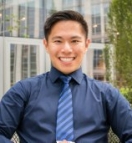
Dr. Kevin Lin
University of Virginia, USA
Kevin Lin earned his BA in Mathematics from the University of Washington in 2017 and PhD in Data Science from the University of Virginia in 2024. His research focuses on deep learning methods for medical image pathology and his research areas include Bayesian Entropy Quantization, Computer Vision, and Domain Adaptation. During his PhD, Kevin’s published papers earned three international ACM conference awards. Following graduation, Kevin continues his research as a Data Scientist at the University of Virginia collaborating with medical researchers in early disease detection by detecting cells of interest in patient-informed approaches. By prioritizing precision medicine objectives in deep learning models, he ensures that patient-specific characteristics are properly addressed in medical image segmentation.
Speech Title: "The Importance of Imperfections in Medical AI Approaches"
Abstract: At its core, patient care focuses on the individual. Catered care directed to the observed and communicated symptoms from each observation. Current medical AI approaches imprecisely aggregate significant amounts of patient data while failing to address the differences present in each patient. Medical AI approaches must start with the foremost pillar of medical ethics: Beneficence or “Doing good for the patient and promoting their well-being,” which is a day-one concept for medical students in the United States. With medical AI approaches being tested at scale in hospitals around the world, adequate effort must also be done to ensure that while some patient care can be applied wholesale to a population, effective medical care necessitates treating the patient in front of you. The proposed approach leverages uncertainty quantification and a similarity metric for observations created through a dropout approach. Through evaluation of a dataset with patients diagnosed with Eosinophilic Esophagitis, this approach improves a multisource domain adversarial network (MDAN) results indicating that in addition to aligning with current medical practices, prioritizing individual level differences instead of aggregating medical data uniformly can provide strong results.
Assoc. Prof. Yingxue Ren
Mayo Clinic, USA
Dr. Ren is an Associate Professor of Biomedical Informatics in the Department of Quantitative Health Sciences at Mayo Clinic. Her research focuses on developing and applying novel bioinformatics approaches to translational science to identify novel disease risk factors and therapeutic targets. Her expertise is omics analysis of disease models, including whole exome and genome sequencing, bulk and single cell transcriptomics, cell type deconvolution, proteomics, lipidomics, epigenomics, as well as multiomics integration. She is currently co-PI or co-I on 9 NIH or foundation grants, and has authored over 60 publications. Her research will enable the discovery and validation of novel therapeutic targets for the treatment of neurodegenerative diseases.
Speech Title: "Immunopipe v2: A Comprehensive Pipeline for Integrated scRNA-seq and scTCR/BCR-seq Analysis with Cloud Support and AI Assistance"
Abstract: Immunopipe is a pipeline for integrated analysis of single-cell RNA sequencing (scRNA-seq) and single-cell T/B cell receptor sequencing (scTCR-seq/scBCR-seq) data. Since its initial publication, immunopipe has undergone substantial enhancements. Version 2 adds cloud execution support, extends repertoire analysis to scBCR-seq data, supports additional input formats (ParseBio, HIVE, Loom, and Seurat objects), adopts scplotter and plotthis for uniform publication-quality visualization across all processes, implements two-level caching (process-level and step-level) for improved reproducibility, adds local pathway enrichment analysis, and introduces new analyses, including cell-cell communication inference and pseudo-bulk differential expression. A Model Context Protocol (MCP) server and agentic skills enable natural-language pipeline configuration, while AI-powered chat on HTML reports allows interactive result exploration. Configuration is declarative through TOML (Tom’s Obvious Minimal Language) files, and execution is supported locally, via Docker/Apptainer containers, on cluster job schedulers, or on Google Cloud Batch.

December 21, 2025
The call for papers for ICBRA 2026 is now open.

Septembe 21, 2025
ICBEB 2025 held successfully during September 19-21, 2025 in Prague, Czech Republic.

January 21, 2025
Numerous renowned experts have confirmed their participation in ICBRA 2026 as speakers.


